

5 biggest sleep myths debunked - we sort the sleep facts from fiction
5 biggest slumber myths debunked - we sort the sleep facts from fiction
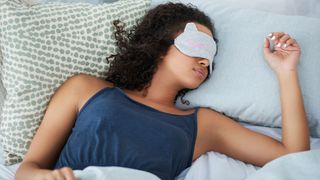
Sleeping is essential for our concrete and mental wellbeing, but how much do yous know about your night-time slumber? Although at that place's plenty of data and advice available about sleep, some of it can be confusing and there's no one-size-fits-all solution anyway, so how do nosotros know what'southward truthful or not?
From napping and dreaming, to derisive alcohol nighttime-caps and how much sleep nosotros actually need, we address common sleep myths with facts to aid you get the sleep y'all deserve. And if y'all want a guaranteed way to get some quality shut-eye, check out our guides to the all-time mattresses and best pillows. Merely, for now, permit's sort slumber fact from slumber fiction…
Sleep myth i: All adults demand eight hours sleep a nighttime
The amount of slumber we need is as individual equally we are, and so eight hours may be too much for some, only too trivial for others. The CDC recommends adults anile 18–60 need at least vii hours sleep a night, while people anile 61–64 need 7 to nine hours, and those aged 65 and older need effectually seven or eight. If you're sick, yous may need to sleep for longer (read our expert-led feature on how to sleep with a common cold with tips from a sleep medico and MD).
While information technology's not recommended that any developed gets fewer than five hours sleep per night (or more than than nine or 10 hours), assess what you need to wake feeling refreshed the next 24-hour interval. In an ideal world, nosotros would wake naturally at the correct time without an alert. Trying shifting your bedtime around until you lot find a time that works (read more in our feature on how to sleep better).
Sleep myth ii: Can't sleep? Best stay in bed until you do
That feeling of being completely awake in the eye of the night when we should be fast asleep is never pleasant, merely what is the correct advice if yous absolutely can't sleep? According to the Mayo Dispensary, 1 of the best things to do is get up… but only if you've been awake for 20 minutes.
One time you're up, you should then indulge in some very gentle activity in another room (such as reading or folding clothes). This should be enough to distract the brain and remind it to relax again. If you're having problem sleeping because you lot're stressed or worried, then that may exacerbate your insomnia. Read our feature on how to sleep when you're feeling anxious to assist bust those bedtime blues.
Sleep myth 3: If you fall asleep instantly, y'all're a skillful sleeper
Falling asleep as presently as your head hits the pillow might sound like bliss, but slumber experts say it could exist a sign you lot are sleep deprived. Falling asleep chop-chop normally happens because you are receiving less than seven hours of slumber per night. Other signs of sleep deprivation include reduced concentration when awake, also as lack of energy and moodiness.
Fixing a bedtime routine and going to bed earlier will aid balance out these daytime symptoms, as well as requite your body the concrete residual and restoration it deserves. Other reasons why falling comatose instantly might happen include slumber apnea, narcolepsy, or thyroid issues, all of which tin be diagnosed by a healthcare professional.

Sleep myth 4: Booze helps you sleep meliorate
The notion of a 'nightcap' to assistance you sleep before bedtime has been around for decades. And while it's true that booze can brand you sleepy, the sleep y'all receive won't be very expert quality.
In fact, alcohol can prevent you from properly reaching the restorative REM office of your sleep cycle, meaning you feel groggy and unfocused, and are unable to perform besides every bit you should the next solar day.
Drinking before bedtime tin can also lead to more bright dreams and nightmares, and you're more likely to sleepwalk as well. Plus, because alcohol is a diuretic - it makes you urinate more frequently - you lot're more likely to wake to employ the toilet. So, if you desire improve sleep, then it might be time to ditch the booze before you snooze…
Sleep myth 5: Adults demand less sleep the older they get
Most adults, no matter how onetime, demand seven to nine hours of slumber per dark. Even so, when people achieve 65 and older, they can often get by on a little less than when they were younger.
The body's circadian rhythm can shift equally we become older, affecting our natural sleep-wake cycle. This ways wake-times and sleep-times may alter, making it difficult to keep rail of how much sleep you need to feel refreshed when you wake.
Keeping a regular sleep schedule and getting enough exercise during the twenty-four hour period should assistance yous slumber. Only if your sleep is disrupted due to age-related health weather, and so you should still brand sure yous get plenty of rest, to prevent tiredness and a lack of focus the next twenty-four hour period.
Sleep fact 1: Falling asleep can take up to 30 minutes
Drifting off to sleep can oftentimes feel blissful, but more often than not, we're unaware of how long it actually takes to nod off. Ideally, it should accept around 10-20 minutes and no more than 30.
If, however, you frequently find you're notwithstanding awake one-half an hour after going to bed, then you lot might need to reassess your sleep routine, or investigate the reasons why information technology might be taking time.
Caffeine consumption is a large culprit when it comes to keeping us awake. According to the 10-3-2-1-0 sleep dominion, you should cutting out caffeine 10 hours earlier your bedtime, as it tin nonetheless buzz effectually your system for as long as this.
Other things that could exist keeping yous awake include stress and anxiety, with thoughts swirling around your mind making it difficult to relax. Looking at screens likewise close to bedtime can also touch on your ability to drift off.
Sleep fact 2: On boilerplate, we dream for 2 hours per night
Research has shown that virtually of us dream for around ii hours per nighttime, and fifty-fifty though most humans (and perhaps animals) do information technology, we still don't know much most the function of dreams.
According to the American Sleep Association (ASA), we tin can take up to 3 or five dreams a night, with some people having even more. It'southward too thought that some dreams only last a few seconds, while others tin terminal up to half an hour.
While it'due south normal not to think our dreams, ASA claims the reason why some of us can is considering we have woken up during the REM phase of sleep. We are more than likely to accept brilliant dreams during REM, when our brains are most active.
Sleep fact 3: Screen time before bed affects your sleep
There's been plenty of debate almost how screen fourth dimension affects our ability to fall asleep. While the x-3-2-1-0 slumber rule advises switching off screens an hr before bedtime, most devices now have dark mode (or dark mode or night lite).
This cuts down the screen'southward blue light, which is believed to affect how we slumber. According to Harvard Wellness, "Light of any kind can suppress the secretion of melatonin, but bluish calorie-free at dark does and then more than powerfully."
Melatonin is a hormone produced by the body to assist promote sleep and regulate our body clocks (circadian rhythms). This hormone is triggered past the dark, and the Sleep Foundation explains that when our body clocks are disrupted it can have a range of negative wellness impacts, including metabolic disorders and low.
Sleep fact 4: Ane of our biggest slumber distractions is tech
With constant beeps, buzzes, and blue light, it's easy to get distracted by technology. And while you can silence your phone and dim the screens, sometimes information technology'southward the content itself that affects our sleep. Whether that's thinking well-nigh emails, existence kept alert by an exciting film or worrying about the latest detail in the news cycle. These are all things that tin keep our brain switched on while we're supposed to be globe-trotting off to slumber.
Try making small changes first – such as non checking email two hours before bedtime – to gradually minimize the influence of tech. This might be plenty to assistance you go a more restful night's slumber. Some other tip is to use a separate alarm clock in the morning, so y'all don't have to rely on your phone.
Sleep fact five: Naps don't make up for slumber deprivation
Some people swear by napping, while others say it can make them feel even more groggy. Just, according to the journal Slumber, if you're suffering from sleep impecuniousness, napping won't make much of a difference when it comes to cerebral ability.
However, the CDC recommends that naps can be a temporary measure when information technology comes to alleviating tiredness acquired by sleep deprivation. Information technology says napping "can be a useful emergency response when people have to piece of work very long hours". It likewise says if yous do have to nap, allow some fourth dimension to pass before carrying out whatsoever disquisitional tasks.
Getting proper sleep is essential for performance clearly and quickly. If you discover y'all're constantly napping during the solar day, then try going to bed earlier or discussing it with your doctor in instance there's an underlying problem.
Feeling comfy in bed tin can make a large difference to how well you slumber, and then investing in one of the best mattress toppers to boost your in-bed comfort. Or if if your current mattress has seen improve days, cheque out our best memory foam mattress guide for sink-in comfort, or our round-up of the best mattresses in a box for all budgets.
- Our guide to the best Saatva mattress discounts and sales
- We round-up the biggest Tempur-Pedic mattress deals and sales
- Saatva Classic mattress review: luxury sleep for less
- Nectar Premier Copper Mattress review: a cooling mattress for less
- Relieve on organic slumber with the best Avocado mattress sales and deals

Source: https://www.tomsguide.com/features/sleep-myths-and-sleep-facts
Posted by: oquinncred1961.blogspot.com
0 Response to "5 biggest sleep myths debunked - we sort the sleep facts from fiction"
Post a Comment